

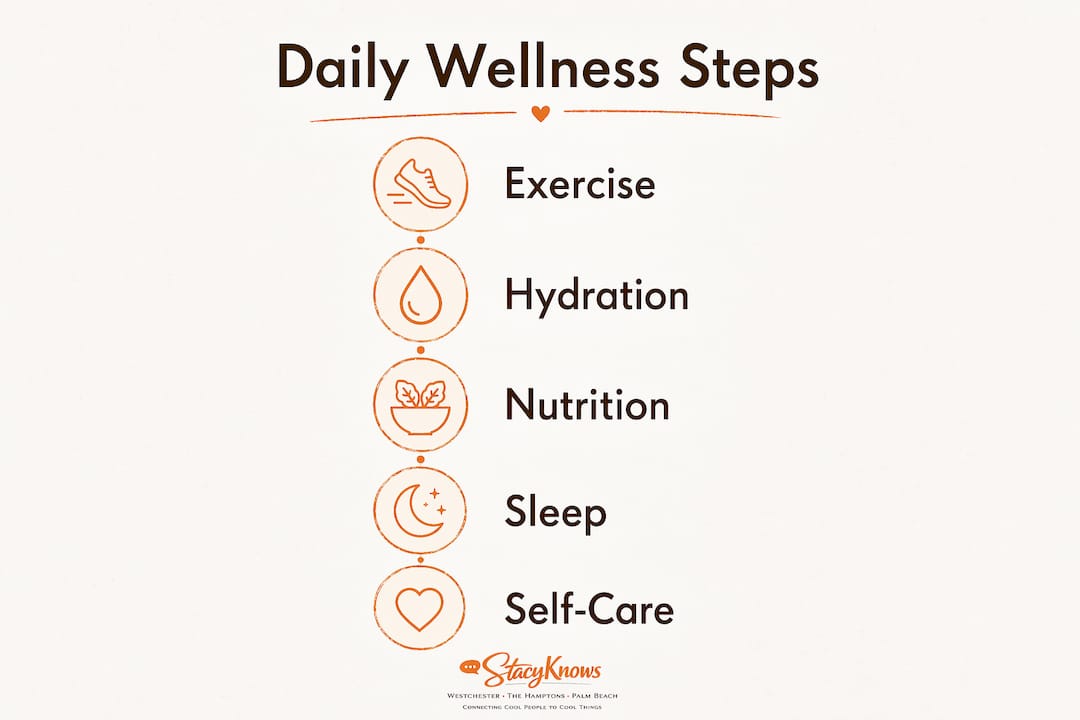
Wellness tips are actionable daily habits that support your physical health, mental well-being, and beauty routine all at once. The World Health Organization defines wellness as an active process of making choices toward a healthy and fulfilling life. Getting there does not require a complete lifestyle overhaul. The most effective approach combines 150 minutes of weekly exercise, at least 7 hours of sleep, balanced nutrition, and consistent self-care. These are not aspirational goals. They are the foundation of a life that feels good from the inside out.
What are the best wellness tips for daily life?
Physical activity is the single most effective habit you can build for long-term health. Cardiologist Dr. Eric Topol calls exercise the most powerful medical intervention for healthy aging and disease prevention. That is a strong claim, and the research backs it up completely.
The National Institute of Diabetes and Digestive and Kidney Diseases recommends at least 150 minutes per week of moderate-intensity aerobic activity for adults. That breaks down to about 30 minutes on five days each week. If that sounds like a lot, start with 10-minute walks and build from there.
Regular aerobic exercise also supports brain health by improving blood flow and cognitive function. People who exercise consistently show a lower risk of dementia and better mood regulation. Your brain benefits just as much as your body.
How to fit movement into a busy schedule
Getting active does not require a gym membership or a two-hour time block. Small, consistent efforts add up faster than you think.
- Take the stairs instead of the elevator every single day
- Walk or bike for short errands under a mile
- Do a 10-minute bodyweight circuit before your morning shower
- Stretch for 5 minutes during work breaks to reset your posture
- Add muscle-strengthening activities, like resistance bands or light weights, on two or more days per week
Gradually increasing intensity reduces injury risk and keeps you consistent over the long term. Pushing too hard too fast is the most common reason people quit. Check out what actually works now in fitness for a current breakdown of effective movement trends.
Pro Tip: Start with two days of strength training per week and add a third day only after four weeks of consistent effort. Your joints and motivation will both thank you.
How does nutrition support beauty and overall wellness?
Food is one of the most direct levers you have for how you look and feel. A diet rich in colorful vegetables, whole grains, and healthy oils supports immune and cardiovascular health. The same nutrients that protect your heart also feed your skin, hair, and nails.
Processed foods and added sugars drive inflammation throughout the body. Chronic inflammation shows up on your skin as dullness, breakouts, and accelerated aging. Cutting back on ultra-processed snacks is one of the fastest visible changes you can make.

Hydration matters just as much as what you eat. Water supports every cellular process in your body, including collagen production and skin elasticity. Aim for consistent water intake throughout the day rather than trying to catch up in the evening.
Simple nutrition habits that actually stick
You do not need a complicated meal plan. These practical habits create real results without requiring a nutrition degree.
- Fill half your plate with vegetables at every meal, and vary the colors
- Choose whole grains like oats, brown rice, and quinoa over refined carbs
- Add a protein source to every meal to support muscle repair and satiety
- Limit added sugars to reduce inflammation and energy crashes
- Snack on nuts, seeds, or fruit instead of packaged foods
Maintaining a healthy body weight through diet and exercise substantially reduces risk of diabetes, cardiovascular disease, and kidney disease. That is not just about the scale. It is about protecting your organs for decades to come. For a deeper look at nutrition and beauty, Stacyknows covers how sardines became a beauty superfood as searches for beauty foods continue to rise.
Pro Tip: Try cooking a new recipe once a week as a form of self-care. The act of preparing whole foods mindfully reduces stress and keeps you connected to what you are eating.
Why does sleep matter so much for your health?
Sleep is where your body repairs itself, your brain consolidates memories, and your skin regenerates. Failing to get 7 hours of sleep per night increases your risk of harmful brain plaques linked to Alzheimer’s disease. That finding alone should make sleep a non-negotiable priority.
Most people underestimate how much poor sleep affects their appearance. Puffy eyes, dull skin, and increased cortisol levels are all direct results of chronic sleep deprivation. Your skin does its most active repair work between 10 PM and 2 AM.
Proven strategies to improve sleep quality
Good sleep hygiene is a set of consistent habits that signal your brain it is time to wind down. These strategies work, and they cost nothing.
- Keep your bedroom dark and cool, ideally between 65°F and 68°F
- Avoid screens for at least 30 minutes before bed
- Go to sleep and wake up at the same time every day, including weekends
- Reduce caffeine intake after 2 PM
- Use a wind-down ritual, like reading or light stretching, to transition out of the day
Keeping bedrooms dark and cool while avoiding screens before bed is one of the most effective strategies for maintaining youthfulness and overall health as you age. Research also shows that using a wearable sleep tracker can increase deep sleep from 15 to 45 minutes per night. That is a meaningful gain in restorative rest. For more practical guidance, Stacyknows has a full guide on how to naturally get better sleep.
Sleep masks are another underrated tool. The science behind sleep masks shows that blocking light signals the brain to produce more melatonin, which deepens sleep quality. A simple, inexpensive mask can make a real difference.
How do stress management and self-care improve your wellness?
Self-care is not a luxury. It is a fundamental necessity for long-term physical and emotional health. Self-care practices improve quality of life, reduce stress, and promote emotional balance. When you skip self-care consistently, your body keeps score.
Mental and physical health are closely linked. Mindfulness and social connection strengthen both simultaneously. A 10-minute mindfulness practice each morning can lower cortisol levels and improve your focus for the rest of the day.
Scheduling self-care as a fixed appointment in your calendar increases consistency and prevents it from being pushed aside. Treat it like a meeting you cannot cancel. That shift in mindset changes everything.
Here are self-care practices worth building into your week:
- A 10-minute daily mindfulness or breathing practice
- Regular social time with people who genuinely energize you
- A hobby that has nothing to do with productivity or output
- Time outdoors, even a short walk in natural light
- Journaling to process emotions and reduce mental clutter
Stress also quietly affects your relationships and intimacy. Stacyknows explores how everyday stress impacts connection in ways most people do not notice until the damage is done. Addressing stress early protects more than just your health.
Pro Tip: Try three different self-care activities for two weeks each before deciding what works for you. Trial and error in self-care helps identify what genuinely supports your emotional health versus what just feels like a distraction.
What I have learned from actually living these habits
I will be honest with you. When I first started paying attention to wellness, I tried to do everything at once. New sleep schedule, new diet, new workout plan, all in the same week. By day ten, I had quit all three.
What actually worked was picking one habit and making it boring. I started with sleep. Just a consistent bedtime and a dark room. After three weeks, my energy improved enough that I wanted to move more. The exercise came naturally after that, and the nutrition changes followed.
The biggest lesson I carry is this: wellness does not have a finish line. There is no point at which you have “done it.” Some weeks you sleep great and eat well. Other weeks, life happens and you let things slide. The goal is not perfection. It is a general direction.
I have also learned that what works for one person can feel completely wrong for another. Some people thrive on morning workouts. Others need that time to ease into the day quietly. Experimenting without judgment is the only way to find your actual rhythm. Give yourself permission to adjust without treating every change as a failure.
— Stacy
Wellness resources worth bookmarking on Stacyknows
Stacyknows covers the full picture of wellness, from nutrition and fitness to beauty routines and self-care strategies that actually fit real life.

The Stacyknows Beauty Secret Finds page is a curated collection of products and tips sourced from global beauty traditions and current wellness trends. Whether you are looking for skin-supporting foods, sleep-friendly beauty tools, or self-care ideas you have not tried yet, it is a practical starting point. Stacyknows also covers global beauty secrets that American readers have largely missed, many of which tie directly into the healthy living habits covered here.
FAQ
What are the most important wellness tips for beginners?
The most effective starting points are 150 minutes of weekly moderate exercise, 7 hours of sleep per night, and a diet centered on whole foods. Building one habit at a time produces more lasting results than changing everything at once.
What is the 5-3-1 wellness rule?
The 5-3-1 rule is a simple daily framework: eat 5 servings of fruits and vegetables, engage in 3 acts of self-care, and set 1 clear intention for the day. It is a practical structure for keeping wellness habits consistent without overcomplicating your routine.
How does sleep affect skin and brain health?
Poor sleep increases cortisol, which breaks down collagen and accelerates skin aging. Getting fewer than 7 hours per night also raises the risk of brain plaques associated with Alzheimer’s disease.
How can I manage stress without medication?
Mindfulness practices, regular physical activity, consistent sleep, and scheduled self-care are all clinically supported methods for reducing stress. Social connection and time spent on meaningful hobbies also lower cortisol levels measurably.
What foods support both wellness and beauty?
Colorful vegetables, whole grains, healthy oils, and adequate protein all support immune and cardiovascular health while also feeding skin, hair, and nail health. Reducing added sugars and processed foods reduces inflammation, which shows up visibly on your skin.
Recommended
- Looking Like Yourself: What Is Subtle Aesthetic Wellness?
- How To Combat Oxidative Stress for Youthful Skin
- How Interior Design Choices Can Shape Home Wellness – Stacyknows
- Elevate Your Lifestyle: Investing in Personal Wellness and Premium Experiences – Stacyknows
